Liriope's Muse - Tree Care Tips From A Master Arborist
Liriope's Muse: Tree-safe lighting tips from your local Certified Arborist team
How to Decorate Outdoor Trees for Christmas Without Damaging Them
Nothing beats the look of a beautifully lit tree during the holidays. But every year, we see the same issue: trees that end up with bark wounds, broken limbs, girdled branches, or stressed foliage because decorations were installed too tightly, too heavily, or with the wrong materials.
The good news? You can absolutely decorate outdoor trees in a way that’s festive AND tree-friendly. In this blog we’ll discuss how to do it safely, while protecting the health and structural integrity of your tree!
1) Start with a quick “tree check” before you decorate
Before adding lights or ornaments, take a minute to assess the tree:
- Look for dead, diseased, or cracked limbs (especially over walkways, driveways, or the roof and the areas you wish to decorate).
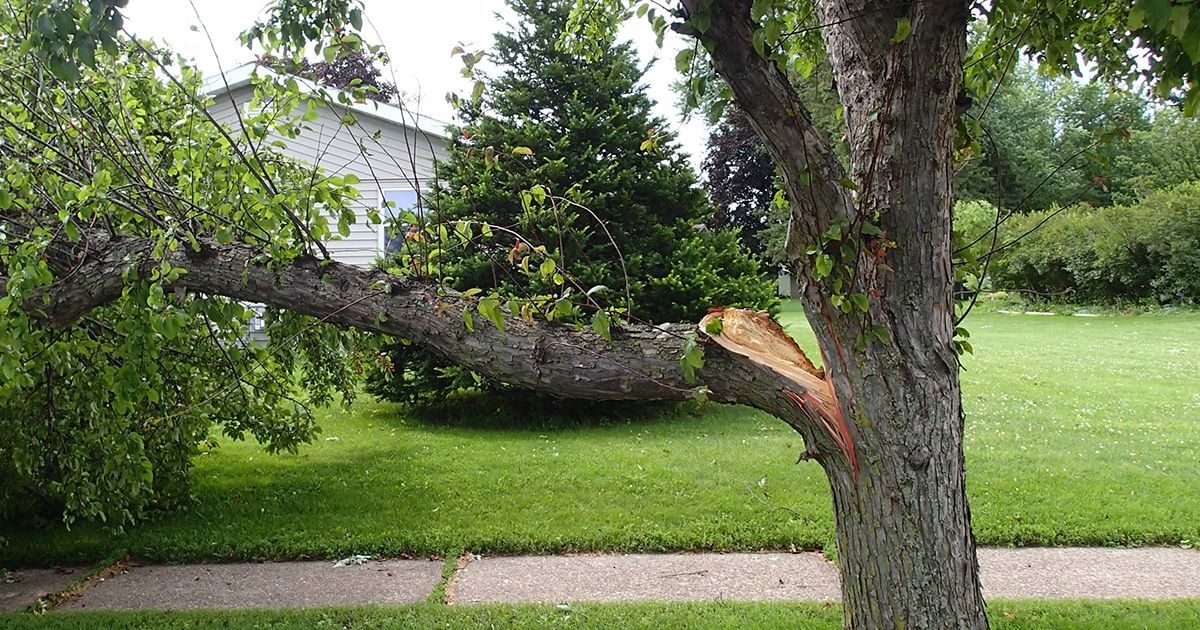
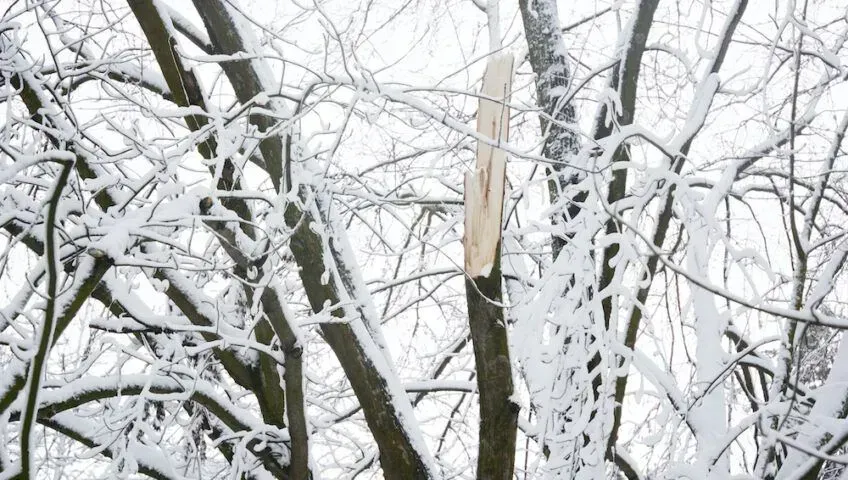
- Notice weak attachments, two limbs forming a tight “V” can split under extra weight, so its best practice to avoid these areas.
- Skip decoration on branches that are already drooping or stressed.
If you see hanging limbs, fresh splits, or obvious disease or decay, it’s best to have a professional prune it first. Holiday winds and extra weight load is a common recipe for breakage in weak trees.
2) Choose tree-safe lights and keep the weight low
For outdoor trees, lighter is better.
Best options:
- LED lights: we recommened LED lights because they emit lower heat, have lower energy use, and cause less stress on branches.
- Small “mini” strands: these are best as they are easier to distribute without concentrating weight.
- Staples over nails/zipties: We recommend using staples to secure lights if necessary as they usually won’t penetrate past the outer bark layer and leave the inner cambium intact and unharmed! (think of a trees bark like fingernails, its dead cells that the tree will eventually shed so securing superficial staples will not harm it!)
Avoid:
- Heavy, oversized bulbs on thin branches
- Large decorations that swing and can “whip” the bark in wind
- Anything that requires tight fastening to stay put
- Screwing, nailing, zip-tying, or roping anything into place
Rule of thumb: if a branch bends noticeably from the decoration, it’s too heavy.
3) Never wrap lights tightly around branches
This is one of the biggest causes of damage we see. Trees don’t “hold still”—they sway in the wind, and their branches continually expand in diameter (even if the change is too small to notice day to day). So while leaving lights on tightly for more than a month may not seem like a big deal, damage can occur as the lights cut into the bark and begin girldling the tree’s branches restricting its sap flow, choking it out and causing irreverable damage. This damage, coupled with the stress, is an open invitation for pests and diseases to enter your tree!
Tree-safe method:
- Drape lights along the branch and loosely spiral them, leaving slack.
- Keep lights closer to the tips on sturdy branches rather than tightly cinched near the trunk.
And if you’re using a ladder, don’t lean it against delicate limbs. Instead, use a stable ladder position or have a helper stabilize it.
4) Use the right fasteners (and avoid the wrong ones)
Use:
- Soft, flexible plant ties (loose)
- Light-duty outdoor clips designed for lights
- Small zip ties only if left loose and removed promptly (don’t cinch tight)
- Short staples for securing to thick barked trees.
Never use:
- Nails or screws into the tree
- Wire, fishing line, rope, or anything thin that can “bite” into bark
- Tape wrapped tightly around bark (it can trap moisture and damage tissue)
If you need to “secure” something firmly, it’s usually a sign that item is too heavy or too large for that spot and should be avoided.
5) Be careful with ornaments—especially on living branches
Ornaments can be the culprit behind broken twigs and scraped bark.
Safer decorating tips:
- Hang ornaments only on thicker, sturdy branches
- Choose lightweight plastic instead of glass
- Use soft loops (such as twine natural fiber rope) rather than metal hooks that rub the bark
- Avoid hanging items where they’ll swing into the trunk or another limb
Wind is the hidden problem: even a light ornament can cause damage if it repeatedly taps the same spot.
6) Watch out for these “holiday tree hazards”
A few common mistakes can harm trees more than people realize:
- Putting lights in the canopy during storms or wet weather (safety risk + bark scuffs from rushing)
- Climbing the tree (can break branches and create wounds; also, very unsafe and should be left to the professionals)
- Thinning the canopy, we’ve noticed many people will thin their canopy to make it “easier” to install lights, this is absolutely detrimental to the trees health and should be avoided at all costs.
- Leaving lights on for months after the season
- Decorating stressed trees (recently planted, drought-stressed, known diseased or storm-damaged trees need extra care)
7) Timing matters: install gently, remove early
A great goal is:
- Install lights in a healthy tree a few weeks before the holiday (less potential damage and stress)
- Remove within a few weeks after the holidays (this’ll ensure the tree doesn’t end up being choked by the decorations)
When removing, don’t yank. Reverse your installation path and gently unwind, as pulling strands can strip buds, tear bark, and snap small branch tips.
8) Best trees to decorate (and what to avoid)
Some trees handle decorating better than others.
Typically easier to decorate:
- Mature shade trees with sturdy scaffold limbs
- Conifers with dense branching (when lights are light and evenly distributed)
Use extra caution with:
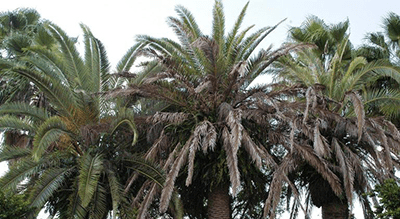
- Palm trees(they are the only tree inccapeable of healing themselves, so any damage they receive stays with them fo life)
- Thin-barked trees (they bruise/wound more easily)
- Newly planted trees (still establishing roots)
- Trees with long, flexible limbs that whip in the wind
If you’re not sure, keep decorations lightweight and placed on stronger limbs only.
When to call a pro
If your goal is a big, high-canopy display – especially near roofs, power lines, or over hardscape – It’s worth hiring help. A professional crew can install safely, avoid damaging limbs, and identify hazards (deadwood, weak unions, decay) before they turn into a holiday surprise.
Need help making your holiday display tree-friendly?
If you’d like an arborist to evaluate your tree before decorating—or if you need safe pruning to reduce breakage risk—we’re happy to help! A little prevention now can protect your tree’s health for years to come.
Read our Previous Posts!
Liriope’s Muse - Expert Tree Care Tips